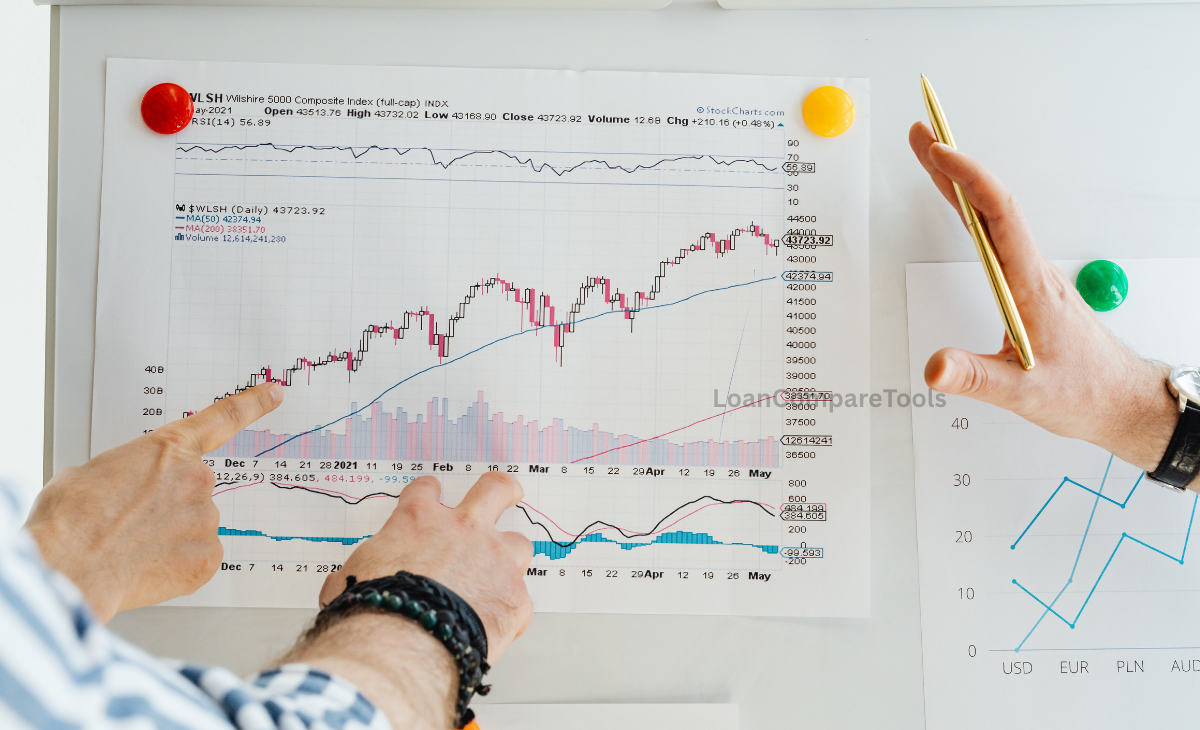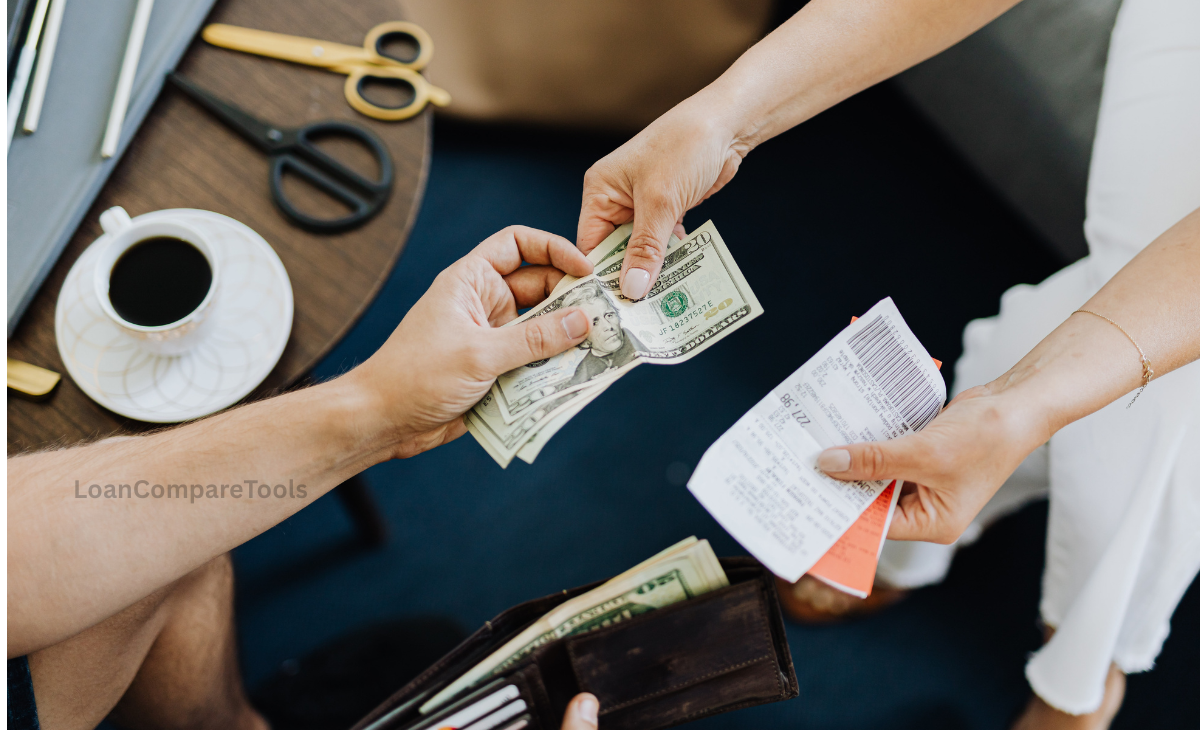

The shift is real — and it’s strategic.
For years, payday loans filled a gap for short-term cash. But in 2026, more Americans are actively avoiding them altogether, not because emergencies disappeared, but because better (and smarter) alternatives are now widely available.
At Loan Compare Tools, we’ve analyzed borrower behavior and lender trends, and one pattern stands out:
The modern borrower isn’t just looking for fast cash — they’re looking for control, flexibility, and lower long-term cost.
Quick Answer
Americans are avoiding payday loans in 2026 by:
- Using cash advance apps and earned wage access
- Switching to personal installment loans
- Building small emergency funds
- Negotiating payment plans with creditors
- Borrowing through credit unions or community programs
Why Payday Loans Are Losing Ground
Payday loans still exist — but their appeal is shrinking fast.
Here’s why:
- APRs can exceed 300%+, making them one of the most expensive forms of borrowing
- Short repayment windows (often 2 weeks) create cash flow stress
- Many borrowers fall into repeat borrowing cycles
Even regulators and financial institutions are pushing alternatives, and in many states, payday lending is heavily restricted or declining.
The Biggest Shift in 2026: Smarter Short-Term Cash Options
1. Earned Wage Access (EWA) Is Replacing Payday Loans
This is one of the biggest disruptions.
Instead of borrowing:
- Workers access money they’ve already earned
Why it’s growing:
- No traditional interest
- No credit checks
- Instant access
Some regulatory changes have even clarified that certain paycheck advances aren’t treated as loans, accelerating adoption
Expert insight:
This isn’t just a trend — it’s replacing payday loans for millions of workers.
2. Cash Advance Apps (But With Caution)
Apps like Dave, EarnIn, and others:
- Offer small advances ($50–$500)
- Auto-repay on payday
Why people prefer them:
- Faster than traditional loans
- Less intimidating than payday lenders
But there’s a catch:
- “Tips” and fees can mimic high APR structures
- Overuse can still create debt cycles
Translation:
Better than payday loans — but not risk-free.
3. Personal Loans Are Taking Over
This is a major shift.
Instead of:
- $500 payday loan (2 weeks, high fees)
Borrowers now choose:
- $2,000–$10,000 personal loan
- 12–36 month repayment
Why?
- Lower rates
- Predictable payments
- Builds credit
In fact, demand for personal loans has increased as borrowers look for structured repayment instead of short-term traps
4. Credit Unions Are Filling the Gap
Credit unions are stepping in with:
- Small-dollar loans
- Lower interest rates
- Flexible underwriting
These products are specifically designed to replace payday lending with safer alternatives.
5. Payment Plans Instead of Borrowing
This is one of the most underrated shifts.
Instead of taking a loan:
- People negotiate directly with:
- Hospitals
- Utility companies
- Creditors
Many providers now offer structured payment plans to avoid defaults
This avoids borrowing entirely.
The Quiet Strategy Most Americans Are Using
Building Micro Emergency Funds
This isn’t about saving $10,000.
It’s about:
- Having $500–$1,000 buffer
Even small savings:
- Prevent the need for emergency borrowing
- Reduce financial stress
Financial experts consistently recommend building 3–6 months of expenses, but even a small fund changes behavior
Real-World Scenario (2026 Borrower Behavior)
Old Pattern (Pre-2022):
- Emergency → Payday loan → Rollovers → Debt cycle
New Pattern (2026):
- Emergency → Cash advance app or savings
- Larger need → Personal loan
- Bills → Payment plan
Result:
- Lower fees
- Longer repayment
- Less financial damage
Insider Strategies Driving This Shift
1. Borrowers Are Prioritizing “Payment Flexibility”
Short-term loans are losing appeal.
People now prefer:
- Installment payments
- Adjustable timelines
2. Financial Awareness Has Increased
Borrowers understand:
- APR differences
- Total repayment cost
That alone is reducing payday loan demand.
3. Lenders Are Competing More Aggressively
Banks and fintech companies now offer:
- Small-dollar loans
- Faster approvals
- Same-day funding
This directly replaces payday lenders.
4. Behavioral Finance Trends (Underrated)
New habits include:
- “Friction budgeting” (making spending harder)
- Avoiding impulse borrowing
- Tracking cash flow weekly
These reduce reliance on emergency loans.
What Still Hasn’t Changed (Reality Check)
Despite the progress:
- Some regions still rely heavily on payday loans
- Low-income and unbanked populations remain vulnerable
- Emergency expenses (rent, food, medical) still drive borrowing
For example, certain areas still show higher-than-average payday loan usage for basic needs, especially where financial access is limited
FAQs (People Also Ask)
Are payday loans declining in the U.S.?
Yes — usage is declining overall, but still present in underserved communities.
What is replacing payday loans in 2026?
- Earned wage access apps
- Personal loans
- Credit union small loans
- Payment plans
Are cash advance apps better than payday loans?
Generally yes — but overuse can still lead to debt cycles.
What is the safest alternative to a payday loan?
- Small personal loans
- Emergency savings
- Credit union loans
Bottom Line (Expert Take)
Payday loans aren’t disappearing — they’re being outcompeted.
Based on our analysis at Loan Compare Tools:
- The shift is toward structured, flexible borrowing
- The biggest change isn’t new products — it’s smarter borrower behavior
- The most effective strategy isn’t finding a better loan — it’s avoiding high-cost debt entirely
In 2026, the edge belongs to borrowers who:
- Plan ahead
- Compare options
- And understand how lenders actually work
That’s what’s driving the decline — and it’s only accelerating.