If you’re trying to benchmark auto loan rates in 2026, here’s the reality:
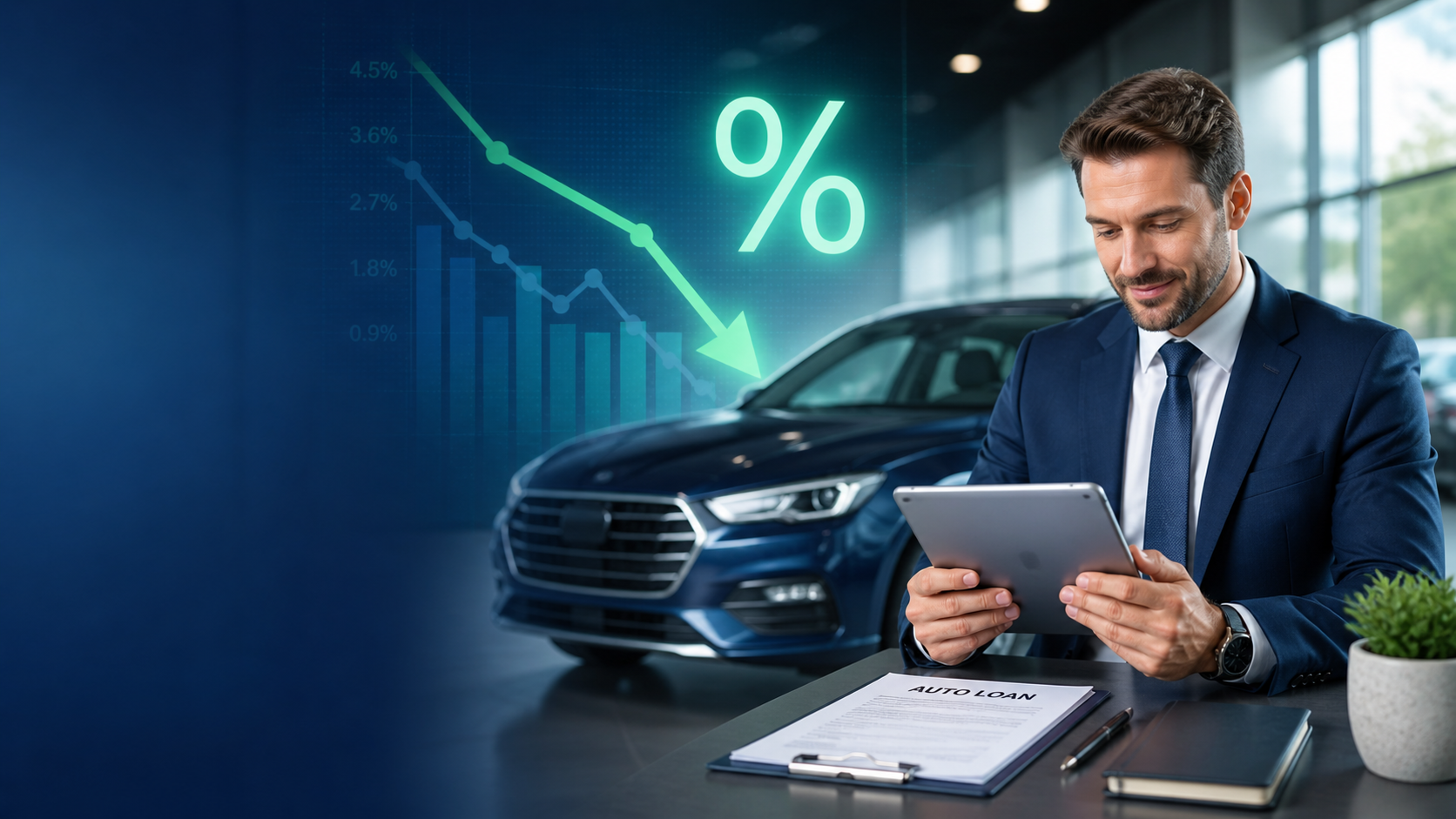
Most borrowers are landing around 7% — but that number can swing dramatically depending on your credit and loan setup.
At Loan Compare Tools, we’ve analyzed current lender data, and the gap between “average” and “what you personally get” is where most people lose money.
Quick Answer
- Average auto loan rate (new cars, 2026): ~6.9% – 7.0% APR
- Average used car rate: ~7.4% – 11%+ APR
- Top-tier borrowers: ~4.5% – 5% APR
- Subprime borrowers: 13% – 21%+ APR
2026 Average Auto Loan Rates
| Loan Type | Average APR (2026) |
|---|---|
| New Car (60-month) | ~6.97% |
| New Car (48-month) | ~6.83% |
| Used Car (48-month) | ~7.40% |
| Used Car (Overall Avg) | ~10% – 11% |
These averages come from lender surveys and market data across major U.S. banks and institutions.
Why the “Average Rate” Is Misleading
Here’s what most articles won’t tell you:
The average is not what most qualified borrowers get — it’s a blended number across all credit tiers.
Real Distribution (2026 Market Reality)
| Credit Tier | Typical APR |
|---|---|
| 780+ (Excellent) | 4.5% – 5.5% |
| 700–780 (Good) | 5.5% – 7% |
| 660–700 (Fair) | 7% – 9% |
| Below 660 | 10% – 21%+ |
Translation:
If your credit is strong, the “average” is actually too high.
If your credit is weak, the “average” is too optimistic.
What’s Driving Auto Loan Rates in 2026
Rates are sitting around ~7% for one main reason:
1. Federal Reserve Policy
- Rates remain elevated due to inflation control
- No major cuts (yet), keeping borrowing costs high
2. Rising Vehicle Prices
- Average car prices near $50,000
- Larger loans = higher lender risk
3. Subprime Risk Increase
- Higher delinquency rates → lenders tighten pricing
- Bad credit borrowers see the biggest rate increases
Real Cost Example (Why This Matters)
Let’s break it down:
Loan: $35,000 (60 months)
| APR | Monthly Payment | Total Interest |
|---|---|---|
| 5% | ~$660 | ~$4,600 |
| 7% (average) | ~$693 | ~$6,600 |
| 10% | ~$744 | ~$9,600 |
Difference between 5% and 10% = $5,000+ extra cost
Same car. Same term. Just different rate.
Insider Strategies to Beat the Average Rate
1. Target “Below Average,” Not “Average”
The average is just a midpoint.
Your goal should be:
- Under 6% if you have good credit
- Not “around 7%”
2. Compress Your Loan Term
- 48 months → lower rates
- 72 months → higher rates
Lender logic: shorter loans = lower default risk.
3. Rate Shopping (Most Underrated Move)
Lenders price differently.
- Same borrower → offers can vary by 1%–3%
- That’s thousands in savings
4. Pre-Approval Before Dealership Visit
Dealers often:
- Mark up rates by 1%–3%
Always walk in with your own rate.
5. Credit Score Timing Hack
Apply when:
- Credit utilization is low
- No recent late payments
Even a 20–30 point increase can move you into a lower rate tier.
What’s a “Good” Auto Loan Rate in 2026?
| Situation | Good Rate |
|---|---|
| Excellent credit | 4% – 5% |
| Good credit | 5% – 6.5% |
| Average credit | 6.5% – 8% |
| Below average | 9%+ |
FAQs (People Also Ask)
What is the average auto loan interest rate in 2026?
Around 6.9% – 7.0% for new cars, with higher averages for used vehicles.
Is 7% a good car loan rate?
It’s average, not great. If you have good credit, you should aim below 6%.
Why are auto loan rates so high in 2026?
Main reasons:
- Federal Reserve policies
- Inflation
- Increased lending risk
Can I get below-average rates?
Yes — if you:
- Have strong credit (700+)
- Compare lenders
- Use short loan terms
Bottom Line
The average auto loan rate in 2026 sits around 7% — but that number is just a benchmark, not a goal.
Based on our analysis at Loan Compare Tools:
- Most borrowers overpay because they accept “average” instead of optimizing
- The biggest savings come from rate shopping and timing, not just credit score
- Even a small rate reduction (1%–2%) can save $2,000–$5,000+
If you approach this strategically, beating the average is not only possible — it’s expected.